

Year round things to do!
Monthly Gardening Tips
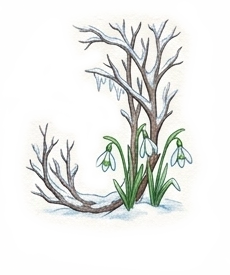
January
Lawns & Borders
Remove leaves and debris from lawns and borders and place in your compost bins.
Keep off lawns where possible when they are frosted or covered in snow.
Enjoy watching your Crocus shoots appear through your lawn for your Spring display.
Protect
Shoots of Tulips and Narcissus against pests such as Slugs and Snails.
Alpines
Remove dead leaves and apply horticultural grit around the top of the plans which keeps the roots cool and helps drainage.
Conifers & Shrubs
Remove snow to prevent damage to branches – I use a brush!
Vegetables
Finish digging patches when the weather is suitable. Use clothes and cold frames to protect as required.
Routine Tasks
Order seeds from catalogues received in Autumn and plan your vegetable and herb garden for the forthcoming season.
Clear spent crops and weed from the plot.
Check STORED crops for any decay or insects.
Bob a bit of water in the birdbath and top up your bird feeders.
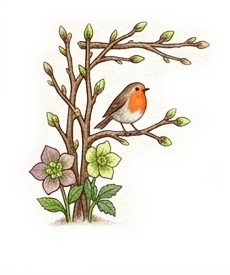
February
Vegetables
Start your Onion sets under glass and also chit your potatoes.
Attend a Potato Day at local Colleges to meet breeders and purchase your seed potatoes.
Lime the ground wherever your brassicas are located.
Sweet Peas
If you haven’t sown your sweet peas in the Autumn now is the time to do just that, placing a seed in each small modular tray and keep under glass.
Fruit
Spray your fruit trees and bushes with an appropriate winter wash and finish winter pruning.
Don’t forget to cut away the old canes on your Raspberries and plant out Gooseberry and Currant bushes when there is no frost or snow.
Start forcing your Rhubarb by darkening the environment around the plant – an upturned dustbin does the trick! Feed around the crowns by applying well rotted farm yard manure.
Prune
Towards the of February prune winter flowering Jasmine to tidy up, trim to shape straggly shrubs and realign those formal garden hedges.
Prune your Wisteria back to 2 buds to keep it under control!!
General
Apply fertiliser or well rotted compost to your garden borders, rose beds and vegetable plots.
Continue to plant bareroot or root balled trees and shrubs if no frost is present.
Store bareroots in a protected environment (away from frost) or ‘heel in’ undStore bareroots in a protected environment (away from frost) or ‘heel in’ under the weather conditions improve. This will prevent your roots from drying out and have successful growth the following season.
Deadhead Hydrangeas cutting above the upper most bud. er the weather conditions improve. This will prevent your roots from drying out and have successful growth the following season.
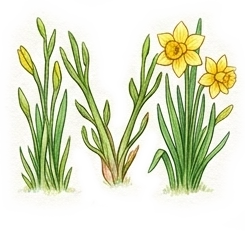
March
Pruning
Prune roses and late flowering shrubs. Re firm into the ground to stabilize.
Lawns
Tidy all your garden borders and edge your lawn for a neat appearance using Long Handled Shears.
Perennials
Divide Herbaceous Perennials and share with friends especially if they have outgrown their position.
Tress
Replant trees and shrubs weather permitting.
Check if a tree stake and ties are still needed and loosen as required to prevent damaging the trunk.
Vegetables
Sow more vegetable seeds and annual bedding for your summer display.
Ferns & Grasses
Trim ferns and ornamental grasses – Miscanthus sinensis should now be cut back to ground level – you will see the new shoots already starting for the new season!
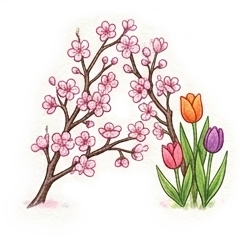
April
Roses
Remove suckers from your roses and re-firm if necessary.
Water Feature
If you have a water feature within your garden check the pump is working following the cold snap.
Clean your pond or water feature removing debris and pond weed.
A pair of old tights helps prevent your pump from clogging up the filter!
Bulbs
Fertilise your garden bulbs after flowering and leave them to naturally die back.
Plant bulbs for your Summer display, for example, Lilies and Freesias.
Lawns
Carry out lawn maintenance operations: aerate, feed and re sow where appropriate.
Mow weekly setting the blade high.
May
Rock Garden
‘Top dress’ your rock garden using horticultural grit, add a handful of fertiliser to promote growth.
Create your new rock garden in an old pot sink!
Annuals
Weed and thin annuals and other seedlings and prick out and transplant as required.
Mulching
Apply your decomposed leaf mould to garden borders.
Add Ericaceous compost to your Acers, Blueberries, Camellias, Azaleas, Rhododendrons to ensure glossy green foliage.
Pot Plants
Plants such as Fuchsias, Geraniums and Verbenas that have been kept in pots through the winter may be planted out in beds or borders as the weather warms up and when no further frost is forecast.
Lawns
Repair any patches within your lawn, cut regularly as weather allows and feed with Spring and Summer.
Vegetables
Plant lettuce, radish, spring onions and wintergreens and late crop potatoes may be chitted. Don’t forget Potato ‘Maxine’ which is a 2nd early!
French and runner beans can be sown in late May. Give a little fertilizer before planting.
Earth up potatoes when the foliage height becomes about 10” leaving 4” visible.
Tomatoes
When your plants have their first truss, plant out into grow bags or containers. Provide support such as garden cane, string on pulley or robust garden twigs so the plants can be tied in as they grow. Pinch side shoots.
Water regularly and apply fertilizer to produce good fruits.
Fruit
Check Gooseberry and Strawberry plants for fungus diseases.
Hanging bakets, tubs & pots
Plant up in the later part of this month/early June.
Ensure drainage in your pots, fill with multi-purpose compost and regularly water and feed your plants to ensure your colourful display this summer.
Check plants for pests and diseases.
Roses
Feed and deadhead roses to promote more flowers.
Box Hedges
Trim Box hedges for neat appearance and on young trees cut away dead wood which should be clearly visible this time of year.
June
Privet
Clip Privet every 3 weeks if you wish to maintain a formal hedge.
Prune
Prune Philadelphus before it flowers and allow more light and air for healthy growth. Don’t forget to prune the older stems of the Deutzia and Weigelia and cut hard back post flowering.
Summer Bedding in baskets
Plant out from the end of May if no frost forecast and enjoy your long awaited colour.
Sow
Californian poppies directly into the soil for colour and encourage hoverflies as the larvae feed on aphid.
Winter beetroot for your vegetable garden.
Vegetables
Raise your Marrow, Pumpkin and Courgette in your glasshouse and plant out other veg such as Cauliflower, Broccoli, Sweet Pepper.
Routine Tasks
1. Pinch out the growing points of sweet peas, broad and runner beans.
2. Earth up your potatoes and spray Celery if celery fly present.
3. Stop cucumbers outside after 5-6 leaves and remove flowering shoots from your Rhurbarb.
4. Cut leaves of French tarragon for drying and propagate rosemary from heel cuttings.
July
Rock Garden
‘Top dress’ your rock garden using horticultural grit, add a handful of fertiliser to promote growth.
Create your new rock garden in an old pot sink!
Annuals
Weed and thin annuals and other seedlings and prick out and transplant as required.
Mulching
Apply your decomposed leaf mould to garden borders.
Add Ericaceous compost to your Acers, Blueberries, Camellias, Azaleas, Rhododendrons to ensure glossy green foliage.
Pot Plants
Plants such as Fuchsias, Geraniums and Verbenas that have been kept in pots through the winter may be planted out in beds or borders as the weather warms up and when no further frost is forecast.
Lawns
Repair any patches within your lawn, cut regularly as weather allows and feed with Spring and Summer.
Vegetables
Plant lettuce, radish, spring onions and wintergreens and late crop potatoes may be chitted. Don’t forget Potato ‘Maxine’ which is a 2nd early!
French and runner beans can be sown in late May. Give a little fertilizer before planting.
Earth up potatoes when the foliage height becomes about 10” leaving 4” visible.
Tomatoes
When your plants have their first truss, plant out into grow bags or containers. Provide support such as garden cane, string on pulley or robust garden twigs so the plants can be tied in as they grow. Pinch side shoots.
Water regularly and apply fertilizer to produce good fruits.
Fruit
Check Gooseberry and Strawberry plants for fungus diseases.
Hanging bakets, tubs & pots
Plant up in the later part of this month/early June.
Ensure drainage in your pots, fill with multi-purpose compost and regularly water and feed your plants to ensure your colourful display this summer.
Check plants for pests and diseases.
Roses
Feed and deadhead roses to promote more flowers.
Box Hedges
Trim Box hedges for neat appearance and on young trees cut away dead wood which should be clearly visible this time of year.
August
Privet
Clip Privet every 3 weeks if you wish to maintain a formal hedge.
Prune
Prune Philadelphus before it flowers and allow more light and air for healthy growth. Don’t forget to prune the older stems of the Deutzia and Weigelia and cut hard back post flowering.
Summer Bedding in baskets
Plant out from the end of May if no frost forecast and enjoy your long awaited colour.
Sow
Californian poppies directly into the soil for colour and encourage hoverflies as the larvae feed on aphid.
Winter beetroot for your vegetable garden.
Vegetables
Raise your Marrow, Pumpkin and Courgette in your glasshouse and plant out other veg such as Cauliflower, Broccoli, Sweet Pepper.
Routine Tasks
1. Pinch out the growing points of sweet peas, broad and runner beans.
2. Earth up your potatoes and spray Celery if celery fly present.
3. Stop cucumbers outside after 5-6 leaves and remove flowering shoots from your Rhurbarb.
4. Cut leaves of French tarragon for drying and propagate rosemary from heel cuttings.
Section 2 - TExT left
Sub Headline
List
This is a Paragraph Font
Gardening Tips Text
January
Lawns and Borders
- Remove leaves and debris from lawns and borders and place in your compost bins.
- Keep off lawns where possible when they are frosted or covered in snow.
- Enjoy watching your Crocus shoots appear through your lawn for your Spring display.
Protect
- Shoots of Tulips and Narcissus against pests such as Slugs and Snails.
Alpines
- Remove dead leaves and apply horticultural grit around the top of the plants, which keeps the roots cool and helps drainage.
Conifers & Shrubs
- Remove snow to prevent damage to branches - I use a brush!
Vegetables
- Finish digging patches when the weather is suitable.
- Use cloches and cold frames to protect as required.
Routine tasks
- Order seeds from catalogues received in Autumn and plan your vegetable and herb garden for the forthcoming season.
- Clear spent crops and weed from the plot.
- Check stored crops for any decay or insects.
- Bob a bit of water in the birdbath and top up your bird feeders.
Stay connected and keep your garden redesign journey on track with Maxine. Subscribe for the latest updates, exclusive offers, and gardening tips delivered directly to your inbox. Join the GardensbyMax community and be part of a transformative gardening experience.
Pages


© 2026 Gardens By Max - All Rights Reserved.